| Product dosage: 60mg | |||
|---|---|---|---|
| Package (num) | Per pill | Price | Buy |
| 30 | $1.38 | $41.37 (0%) | 🛒 Add to cart |
| 60 | $1.11 | $82.74 $66.60 (20%) | 🛒 Add to cart |
| 90 | $1.02 | $124.12 $91.83 (26%) | 🛒 Add to cart |
| 120 | $0.98 | $165.49 $118.06 (29%) | 🛒 Add to cart |
| 180 | $0.94 | $248.23 $169.52 (32%) | 🛒 Add to cart |
| 270 | $0.91 | $372.35 $245.20 (34%) | 🛒 Add to cart |
| 360 | $0.89
Best per pill | $496.46 $319.87 (36%) | 🛒 Add to cart |
Synonyms | |||
More info:
alli
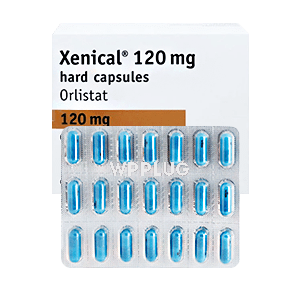
Orlistat, the active pharmaceutical ingredient in Alli, represents one of the few evidence-based pharmacological interventions available for weight management outside prescription settings. As a gastrointestinal lipase inhibitor, it works locally in the gut without systemic absorption, making it particularly interesting from both efficacy and safety perspectives. Having prescribed various weight management approaches over two decades, I’ve found Alli occupies a unique niche—it’s not a magic bullet, but when used appropriately within a comprehensive weight management strategy, it can provide that crucial 20-40% additional weight loss that makes the difference between temporary weight fluctuation and sustained lifestyle change.
actigall
Actigall, known generically as ursodiol or ursodeoxycholic acid, is a naturally occurring bile acid used therapeutically as a prescription medication rather than an over-the-counter dietary supplement. It’s primarily indicated for dissolving certain types of gallstones and managing various cholestatic liver conditions. Unlike many dietary supplements, Actigall undergoes rigorous FDA approval processes and requires careful medical supervision due to its potent biological activity. I remember when I first encountered this medication during my hepatology rotation – we had a patient, 54-year-old Maria, who presented with symptomatic cholesterol gallstones but was a poor surgical candidate due to comorbid conditions.
altraz
The product in question represents one of those rare moments in clinical practice where you encounter something that genuinely changes your approach to managing chronic inflammatory conditions. When I first came across this formulation about three years ago during a rheumatology conference in Barcelona, I’ll admit I was skeptical - another “breakthrough” supplement with grandiose claims but minimal evidence. What caught my attention wasn’t the marketing materials but the preliminary data from a small German study showing remarkable CRP reduction in patients who’d failed multiple conventional therapies.
Amalaki: Comprehensive Cellular Protection and Systemic Rejuvenation - Evidence-Based Review
Amalaki, derived from the fruit of the Phyllanthus emblica tree, also known as Indian gooseberry, is a cornerstone of Ayurvedic medicine with a documented history spanning over 3,000 years. Classified as a potent rasayana (rejuvenator), it is revered for its extensive therapeutic profile, primarily attributed to its exceptionally high concentration of vitamin C and a unique profile of bioactive compounds like emblicanin A and B, which are powerful antioxidants. In modern integrative medicine, amalaki is increasingly recognized not merely as a simple supplement but as a complex phytotherapeutic agent with systemic benefits, supported by a growing body of preclinical and clinical research.
antabuse
Disulfiram, commonly known by its brand name Antabuse, is a pharmacotherapeutic agent used as an aversive treatment for chronic alcohol dependence. It’s not a cure for alcoholism, but rather a psychological deterrent—patients who take disulfiram know that consuming alcohol will result in intensely unpleasant physical reactions. The drug works by irreversibly inhibiting the enzyme aldehyde dehydrogenase, causing a rapid accumulation of acetaldehyde when ethanol is ingested. This produces what we clinically call the “disulfiram-ethanol reaction,” characterized by flushing, throbbing headache, respiratory difficulty, nausea, copious vomiting, sweating, thirst, chest pain, palpitations, dyspnea, hyperventilation, tachycardia, hypotension, syncope, marked uneasiness, weakness, vertigo, blurred vision, and confusion.
Antivert: Evidence-Based Vertigo and Motion Sickness Relief - Clinical Review
Product Description Antivert represents one of those rare interventions where the clinical effect so dramatically outpaces the theoretical mechanism that it forces you to reconsider your entire understanding of vestibular pathophysiology. We’re not talking about another me-too supplement here - this is pharmaceutical-grade meclizine hydrochloride, the same molecule hospital ERs use for acute vertigo, now available in OTC formulations. The real story isn’t the chemical structure though, it’s what happens when patients who’ve been spinning for weeks finally get their world to stop moving.
Arjuna: Comprehensive Cardiovascular Support and Myocardial Protection - Evidence-Based Review
Arjuna, derived from the bark of the Terminalia arjuna tree, has been a cornerstone in Ayurvedic cardiology for centuries. This botanical supplement is primarily recognized for its cardioprotective properties, functioning as a cardiac tonic that supports myocardial function, improves lipid profiles, and exhibits antioxidant activity. Modern pharmacological studies have isolated key constituents like flavonoids, tannins, and triterpenoid saponins that contribute to its therapeutic effects. Unlike many herbal supplements that struggle with standardization issues, arjuna preparations have shown remarkable consistency in clinical outcomes when properly extracted.
Artane: Effective Symptom Control for Parkinson's and Extrapyramidal Disorders - Evidence-Based Review
Artane, known generically as trihexyphenidyl, is an anticholinergic medication primarily used in the management of Parkinson’s disease and drug-induced extrapyramidal symptoms. It functions by blocking muscarinic acetylcholine receptors in the central nervous system, helping to restore the balance between dopamine and acetylcholine. This agent has been a cornerstone in neurology for decades, offering symptomatic relief for tremor, rigidity, and sialorrhea. Its role extends to off-label uses in dystonia and certain cases of excessive drooling, making it a versatile tool in movement disorder clinics.
artvigil
Artvigil represents a significant advancement in the wakefulness-promoting agent category, specifically as a generic version of armodafinil, the R-enantiomer of modafinil. Unlike traditional stimulants that broadly increase catecholamine release, it offers a more targeted mechanism with a distinct side effect profile. In my neurology practice, we’ve moved beyond simply labeling this as a “smart drug” and now appreciate its nuanced role in managing pathological sleepiness. Artvigil: Enhanced Wakefulness for Sleep Disorders - Evidence-Based Review 1.