| Product dosage: 10mg | |||
|---|---|---|---|
| Package (num) | Per cap | Price | Buy |
| 180 | $0.35 | $62.56 (0%) | 🛒 Add to cart |
| 360 | $0.31
Best per cap | $125.13 $112.01 (10%) | 🛒 Add to cart |
| Product dosage: 20mg | |||
|---|---|---|---|
| Package (num) | Per cap | Price | Buy |
| 60 | $0.67 | $40.36 (0%) | 🛒 Add to cart |
| 90 | $0.61 | $60.55 $54.49 (10%) | 🛒 Add to cart |
| 120 | $0.56 | $80.73 $67.61 (16%) | 🛒 Add to cart |
| 180 | $0.53 | $121.09 $95.86 (21%) | 🛒 Add to cart |
| 270 | $0.51 | $181.64 $138.25 (24%) | 🛒 Add to cart |
| 360 | $0.50
Best per cap | $242.18 $180.63 (25%) | 🛒 Add to cart |
Synonyms
| |||
Similar products
More info:
Fluoxetine: Effective Symptom Management for Depression and Anxiety - Evidence-Based Review
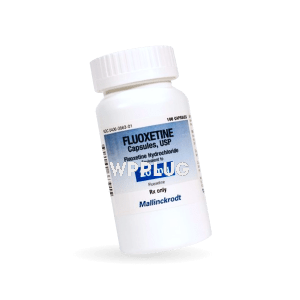
Fluoxetine, a selective serotonin reuptake inhibitor (SSRI), represents one of the most widely prescribed antidepressants globally. Initially approved by the FDA in 1987, it has since become a cornerstone in the management of major depressive disorder and several other psychiatric conditions. Its significance lies not only in its efficacy but also in its relatively favorable side effect profile compared to older tricyclic antidepressants. For healthcare professionals and patients alike, understanding fluoxetine’s pharmacology, clinical applications, and real-world performance is essential for optimizing therapeutic outcomes.
Abilify: Dopamine Stabilization for Mental Health Conditions - Evidence-Based Review
Aripiprazole, marketed under the brand name Abilify, represents a significant advancement in psychopharmacology as a second-generation antipsychotic medication. Unlike first-generation antipsychotics that primarily block dopamine D2 receptors, aripiprazole functions as a partial dopamine agonist - essentially acting as a dopamine stabilizer in the brain. This unique mechanism allows it to modulate dopamine activity rather than simply blocking it, which explains its different side effect profile and therapeutic applications. Originally developed by Otsuka Pharmaceutical and later co-marketed with Bristol-Myers Squibb, this medication has transformed treatment approaches across multiple psychiatric conditions since its initial FDA approval in 2002.
Anafranil: Potent OCD Symptom Control Through Serotonin Modulation - Evidence-Based Review
Anafranil, known generically as clomipramine hydrochloride, is a tricyclic antidepressant (TCA) belonging to the dibenzazepine class. It’s primarily indicated for the treatment of obsessive-compulsive disorder (OCD), functioning as a potent serotonin reuptake inhibitor. Unlike many newer antidepressants, its mechanism involves significant effects on both serotonin and norepinephrine systems, giving it a unique pharmacological profile. The drug is available in oral formulations, typically as 10 mg, 25 mg, and 50 mg capsules, and requires careful titration and monitoring due to its side effect profile and potential for interactions.
Antivert: Evidence-Based Vertigo and Motion Sickness Relief - Clinical Review
Product Description Antivert represents one of those rare interventions where the clinical effect so dramatically outpaces the theoretical mechanism that it forces you to reconsider your entire understanding of vestibular pathophysiology. We’re not talking about another me-too supplement here - this is pharmaceutical-grade meclizine hydrochloride, the same molecule hospital ERs use for acute vertigo, now available in OTC formulations. The real story isn’t the chemical structure though, it’s what happens when patients who’ve been spinning for weeks finally get their world to stop moving.
bystolic
Bystolic represents one of those interesting cases where we’ve moved beyond simple beta-blockade into more nuanced cardiovascular modulation. The drug’s proper name is nebivolol, and it occupies a unique position in our antihypertensive arsenal due to its dual mechanism - something I initially dismissed as marketing hype until seeing the hemodynamic profiles in my own patients. Bystolic: Advanced Beta-Blockade with Vasodilatory Benefits for Hypertension Management 1. Introduction: What is Bystolic? Its Role in Modern Medicine When we first started using Bystolic in our cardiology practice back in 2008, many of us were skeptical about another “me-too” beta-blocker.
celexa
Celexa, known generically as citalopram hydrobromide, is a selective serotonin reuptake inhibitor (SSRI) antidepressant medication, not a dietary supplement or medical device. It’s prescribed primarily for major depressive disorder but has several other important clinical applications. I’ve been working with this molecule since it first hit the US market in the late 90s, back when we were still figuring out how these newer SSRIs stacked up against the older tricyclics.
clarinex
Clarinex, known generically as desloratadine, is a second-generation antihistamine medication primarily indicated for the symptomatic relief of allergic conditions. It functions as a selective peripheral H1-receptor antagonist, effectively blocking the action of histamine without significant central nervous system penetration, which distinguishes it from older antihistamines that often cause sedation. Available by prescription in most markets, Clarinex is commonly used to manage allergic rhinitis (both seasonal and perennial) and chronic idiopathic urticaria.
Colospa: Effective Relief for Irritable Bowel Syndrome - Evidence-Based Review
Colospa, known generically as Mebeverine, is an antispasmodic medication primarily used to manage symptoms of irritable bowel syndrome (IBS), including abdominal cramping, bloating, and altered bowel habits. It works by relaxing the smooth muscles in the gut wall, providing relief without the systemic side effects common with other anticholinergics. Available in various forms like tablets and suspensions, it’s a go-to for clinicians aiming to improve quality of life in functional gastrointestinal disorders.
coreg
Coreg, known generically as carvedilol, is a non-selective beta-blocker with additional alpha-1 blocking activity, primarily used in cardiovascular medicine for managing heart failure, hypertension, and post-myocardial infarction left ventricular dysfunction. It’s not a dietary supplement or medical device but a prescription pharmaceutical that requires careful titration and monitoring due to its significant hemodynamic effects. The dual blockade provides unique advantages in reducing cardiac workload while causing vasodilation, which is particularly beneficial in congestive heart failure patients where both excessive sympathetic drive and peripheral resistance contribute to disease progression.