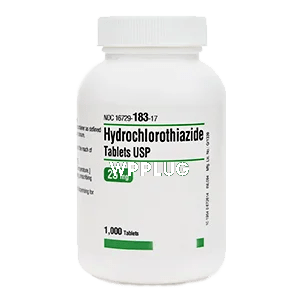
Hydrochlorothiazide remains one of those foundational agents you can’t practice internal medicine without - we’ve had it in our arsenal since 1959, yet I still find myself explaining its nuances to residents who think newer always means better. Just last Thursday, I had a 58-year-old female patient, Sarah, who’d been on amlodipine for hypertension but kept complaining about ankle swelling. Adding 12.5mg of HCTZ not only resolved the edema but brought her blood pressure from 148/92 to 126/78 within three weeks.
Spironolactone is a potassium-sparing diuretic that’s been around since the 1960s, originally developed as an anti-hypertensive but finding its real niche in treating conditions where aldosterone excess plays a pathological role. What’s fascinating is how this old drug keeps revealing new applications - from its classic use in heart failure to off-label uses in dermatology that nobody anticipated back when I was in medical school. I remember my first rotation in cardiology, watching my attending prescribe Aldactone for a patient with severe systolic heart failure.
Avalide represents one of those interesting cases where we took a well-established antihypertensive combination and had to really work through some formulation challenges. It’s irbesartan and hydrochlorothiazide in fixed-dose combination - the ARB component providing the RAAS blockade while the thiazide handles volume. What made this particular formulation tricky was getting the dissolution profiles to match up properly between the two components, especially since we were dealing with different solubility characteristics.
Irbesartan, marketed under the brand name Avapro, represents a significant advancement in the angiotensin II receptor blocker (ARB) class of pharmaceuticals. Initially developed by Sanofi, this selective antagonist specifically targets the AT1 receptor subtype, demonstrating high affinity and insurmountable antagonism. The drug’s molecular structure—a biphenyl tetrazole derivative—confers unique pharmacokinetic properties that differentiate it from earlier ARBs like losartan. What’s particularly interesting is how its dual hepatic and renal excretion pathway makes it suitable for patients with varying degrees of hepatic impairment, something we’ve found clinically relevant when managing complex hypertension cases.
Cozaar, known generically as losartan potassium, is an angiotensin II receptor blocker (ARB) medication primarily prescribed for managing hypertension and protecting renal function in type 2 diabetic patients with proteinuria. It represents a cornerstone in cardiovascular and nephrology therapeutic regimens due to its targeted mechanism and favorable side effect profile. Cozaar: Effective Blood Pressure Control and Renal Protection - Evidence-Based Review 1. Introduction: What is Cozaar? Its Role in Modern Medicine Cozaar contains the active pharmaceutical ingredient losartan potassium, which belongs to the angiotensin II receptor blocker class.
Product Description: Hyzaar represents one of those elegant combination therapies that fundamentally changed how we approach stage 2 hypertension. It combines losartan potassium, an angiotensin II receptor blocker (ARB), with hydrochlorothiazide (HCTZ), a thiazide diuretic. What’s fascinating isn’t just the dual mechanism - it’s how these components create a synergistic effect that’s greater than the sum of its parts. We’ve been using this combination since the late 1990s, and honestly, it’s stood the test of time better than many newer, more expensive alternatives.
Lozol, known generically as indapamide, is a thiazide-like diuretic medication primarily prescribed for managing hypertension and edema associated with congestive heart failure. It works by inhibiting sodium reabsorption in the distal convoluted tubule of the nephron, leading to increased excretion of sodium and water, thereby reducing blood volume and peripheral vascular resistance. Unlike some older diuretics, Lozol offers a favorable side effect profile with once-daily dosing, making it a cornerstone in antihypertensive regimens.
Prinivil, known generically as lisinopril, is an angiotensin-converting enzyme (ACE) inhibitor prescribed primarily for managing hypertension, heart failure, and improving survival post-myocardial infarction. It’s not a dietary supplement or medical device but a well-established prescription medication with extensive clinical validation. This monograph will detail its composition, mechanism, therapeutic applications, and safety profile based on current medical evidence. 1. Introduction: What is Prinivil? Its Role in Modern Medicine Prinivil represents one of the most widely prescribed medications in cardiovascular medicine worldwide.
Symmetrel, known generically as amantadine hydrochloride, is an adamantane derivative initially developed as an antiviral agent but later found to possess significant dopaminergic and antiglutamatergic properties. It exists as a white crystalline powder, freely soluble in water, and is typically administered in 100 mg capsules or oral solution. The drug’s unique structure allows it to cross the blood-brain barrier effectively, which explains its dual applications in both antiviral therapy and neurological disorders.