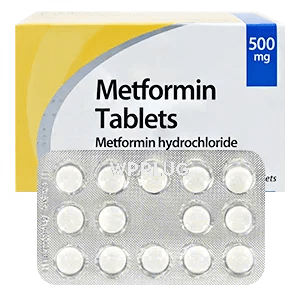
Metformin hydrochloride is an oral biguanide antihyperglycemic agent used as first-line pharmacologic treatment for type 2 diabetes mellitus. It’s one of the most prescribed medications globally, with a mechanism centered on decreasing hepatic glucose production and improving insulin sensitivity in peripheral tissues. Unlike many newer diabetes drugs, metformin has an extensive safety profile spanning decades of clinical use and remains the cornerstone of glycemic management algorithms worldwide. 1. Introduction: What is Metformin?
Actoplus Met combines two established antidiabetic agents - pioglitazone and metformin - in a single formulation designed for comprehensive type 2 diabetes management. This fixed-dose combination represents a strategic approach to addressing multiple pathophysiological defects in diabetes through complementary mechanisms of action. Actoplus Met: Comprehensive Glycemic Control for Type 2 Diabetes - Evidence-Based Review 1. Introduction: What is Actoplus Met? Its Role in Modern Diabetes Management What is Actoplus Met exactly?
Pioglitazone, marketed under the brand name Actos among others, is a prescription medication belonging to the thiazolidinedione (TZD) class of antidiabetic agents. It’s primarily used in the management of type 2 diabetes mellitus to improve glycemic control. Unlike insulin secretagogues, its mechanism is distinct, functioning as an insulin sensitizer by activating peroxisome proliferator-activated receptor gamma (PPAR-γ) in adipose tissue, muscle, and liver. This monograph will dissect its clinical profile, from molecular action to real-world application, based on current evidence and extensive clinical experience.
Orlistat, the active pharmaceutical ingredient in Alli, represents one of the few evidence-based pharmacological interventions available for weight management outside prescription settings. As a gastrointestinal lipase inhibitor, it works locally in the gut without systemic absorption, making it particularly interesting from both efficacy and safety perspectives. Having prescribed various weight management approaches over two decades, I’ve found Alli occupies a unique niche—it’s not a magic bullet, but when used appropriately within a comprehensive weight management strategy, it can provide that crucial 20-40% additional weight loss that makes the difference between temporary weight fluctuation and sustained lifestyle change.
The product in question represents one of those rare moments in clinical practice where you encounter something that genuinely changes your approach to managing chronic inflammatory conditions. When I first came across this formulation about three years ago during a rheumatology conference in Barcelona, I’ll admit I was skeptical - another “breakthrough” supplement with grandiose claims but minimal evidence. What caught my attention wasn’t the marketing materials but the preliminary data from a small German study showing remarkable CRP reduction in patients who’d failed multiple conventional therapies.
Amalaki, derived from the fruit of the Phyllanthus emblica tree, also known as Indian gooseberry, is a cornerstone of Ayurvedic medicine with a documented history spanning over 3,000 years. Classified as a potent rasayana (rejuvenator), it is revered for its extensive therapeutic profile, primarily attributed to its exceptionally high concentration of vitamin C and a unique profile of bioactive compounds like emblicanin A and B, which are powerful antioxidants. In modern integrative medicine, amalaki is increasingly recognized not merely as a simple supplement but as a complex phytotherapeutic agent with systemic benefits, supported by a growing body of preclinical and clinical research.
Let me walk you through my experience with Amaryl over the years - not the polished pharmaceutical brochure version, but what actually happens in clinical practice. When I first started prescribing glimepiride back in the late 90s, we were all still figuring out how this second-generation sulfonylurea would really perform outside the controlled trial environment. Product Description: Amaryl (glimepiride) is an oral antidiabetic medication belonging to the sulfonylurea class, specifically indicated for the management of type 2 diabetes mellitus.
Candesartan cilexetil, marketed under the brand name Atacand, represents a critical advancement in the angiotensin II receptor blocker (ARB) class, specifically engineered to selectively block the binding of angiotensin II to the AT1 receptor found in many tissues. This mechanism disrupts the renin-angiotensin-aldosterone system (RAAS), a key regulator of blood pressure and fluid balance. For clinicians managing hypertension and heart failure, Atacand offers a well-tolerated option with a lower incidence of cough compared to ACE inhibitors, making it particularly valuable for patients who develop that troublesome side effect.
Ayurslim represents one of those interesting botanical formulations that bridges traditional Ayurvedic wisdom with modern clinical practice. Developed by Himalaya Drug Company, this standardized herbal supplement contains extracts of Gymnema sylvestre (Gurmar), Garcinia cambogia (Vrikshamla), and Trigonella foenum-graecum (Methi) in specific ratios. What initially caught my attention during my endocrinology fellowship was its mechanism targeting multiple pathways in weight management - not just another appetite suppressant but something addressing insulin sensitivity, lipid metabolism, and carbohydrate absorption simultaneously.