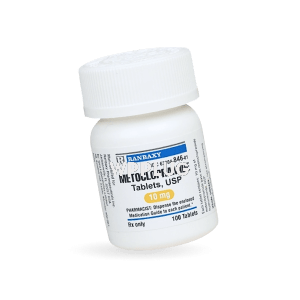
Metoclopramide is a dopamine receptor antagonist and serotonin receptor agonist primarily used as an antiemetic and gastrointestinal prokinetic agent. This pharmaceutical compound has been a mainstay in clinical practice for decades, particularly for managing nausea, vomiting, and gastroparesis. Its dual mechanism of action sets it apart from many other gastrointestinal medications, though its use requires careful consideration of potential neurological side effects. 1. Introduction: What is Metoclopramide? Its Role in Modern Medicine What is metoclopramide exactly?
Compazine, known generically as prochlorperazine, is a phenothiazine derivative antipsychotic and antiemetic agent that has been a staple in clinical practice since the 1950s. It’s primarily utilized for its potent antiemetic properties and management of severe nausea and vomiting, but also finds use in psychiatry for acute agitation and migraine-associated symptoms. What’s fascinating is how this old drug continues to find relevance despite newer agents—we’ve had patients who respond to nothing else but Compazine, particularly those with chemotherapy-induced nausea who’ve failed ondansetron regimens.
Fosfomycin is a broad-spectrum bactericidal antibiotic with a unique chemical structure and mechanism of action, classified as an epoxide antibiotic. Originally isolated from strains of Streptomyces, it’s primarily used for treating uncomplicated urinary tract infections (UTIs), particularly those caused by multidrug-resistant bacteria like Escherichia coli and Enterococcus faecalis. Its role has expanded in modern medicine due to increasing antibiotic resistance, serving as a valuable oral option when other first-line treatments fail.
Sumatriptan, marketed under the brand name Imitrex, is a selective serotonin receptor agonist specifically developed for the acute treatment of migraine and cluster headache attacks. It represents the first triptan medication approved by the FDA and fundamentally changed migraine management by targeting the underlying pathophysiology rather than just providing symptomatic relief. Available in subcutaneous autoinjector, nasal spray, and oral tablet formulations, Imitrex works by constricting dilated cranial blood vessels and inhibiting the release of pro-inflammatory neuropeptides.
Product Description: Motilium, known generically as domperidone, is a dopamine antagonist medication primarily used to manage gastrointestinal motility disorders. Available in tablet and suspension forms, it works by blocking dopamine receptors in the digestive tract and chemoreceptor trigger zone, leading to enhanced gastric emptying and antiemetic effects. While widely prescribed off-label for lactation enhancement, its primary approved indications focus on nausea, vomiting, and upper GI stasis. 1. Introduction: What is Motilium?
Parlodel, known generically as bromocriptine mesylate, is a dopamine receptor agonist that has carved out a significant niche in endocrinology and neurology. Initially developed for Parkinson’s disease, its applications expanded to hyperprolactinemia, acromegaly, and even type 2 diabetes management. It’s fascinating how a single molecule can have such diverse therapeutic effects depending on dosage and indication. The drug works by mimicking dopamine, which inhibits prolactin secretion from the pituitary gland—a mechanism I’ve seen produce dramatic results in patients with prolactinomas.
Phenergan, known generically as promethazine, is a first-generation antihistamine of the phenothiazine class that’s been in clinical use since the 1940s. It’s one of those foundational medications every clinician encounters—initially developed for allergy management but revealing unexpected utility across multiple therapeutic areas. What’s fascinating isn’t just its histamine H1-receptor antagonism, but its complex polypharmacology affecting multiple neurotransmitter systems. We’ve been using it for decades, yet still discover new nuances in its clinical application.
Promethazine hydrochloride is a phenothiazine derivative with potent antihistaminic, antiemetic, and sedative properties, widely utilized in clinical practice since the 1950s. It’s available in various formulations including tablets, syrups, suppositories, and injectable solutions, making it one of the most versatile medications in the emergency and inpatient settings. The drug’s multifaceted mechanism—primarily through histamine H1 receptor antagonism with additional anticholinergic and central dopamine blockade—gives it a unique position in therapeutic protocols for everything from allergic reactions to postoperative nausea.
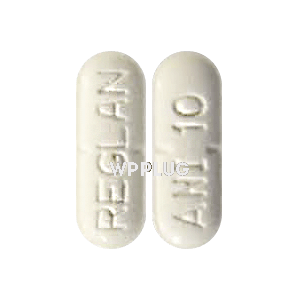
Reglan, known generically as metoclopramide, is a dopamine receptor antagonist and serotonin receptor agonist primarily used to manage gastrointestinal motility disorders and severe nausea/vomiting. It’s available in oral tablets, syrup, and injectable forms, with its mechanism centered on accelerating gastric emptying and increasing lower esophageal sphincter tone. While not a dietary supplement, it functions as a prescription medication that significantly impacts digestive and central nervous system function. 1. Introduction: What is Reglan?